







Isle of Mull, Isle of Iona & Staffa Island
Scotland, August 2023
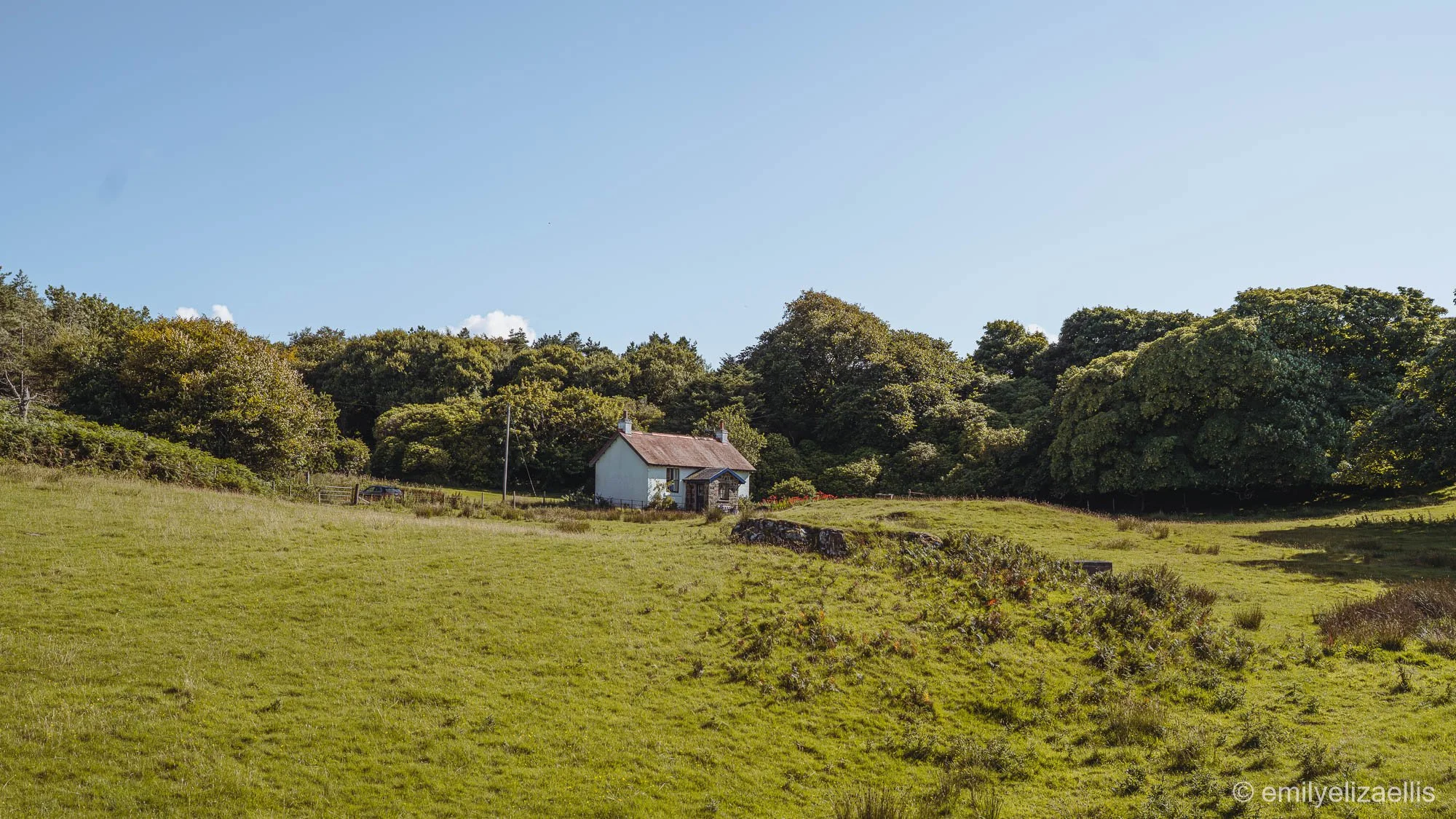
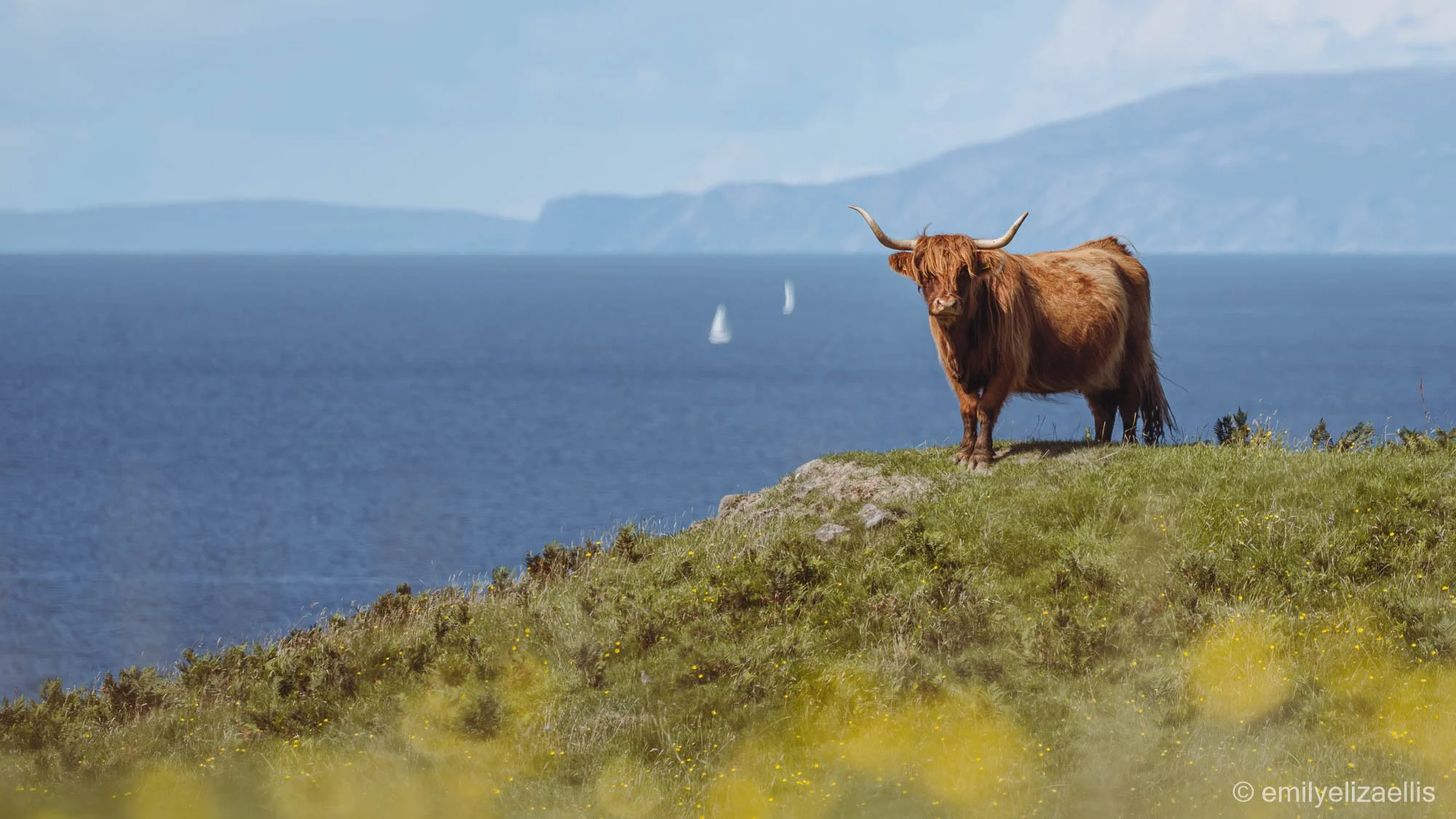
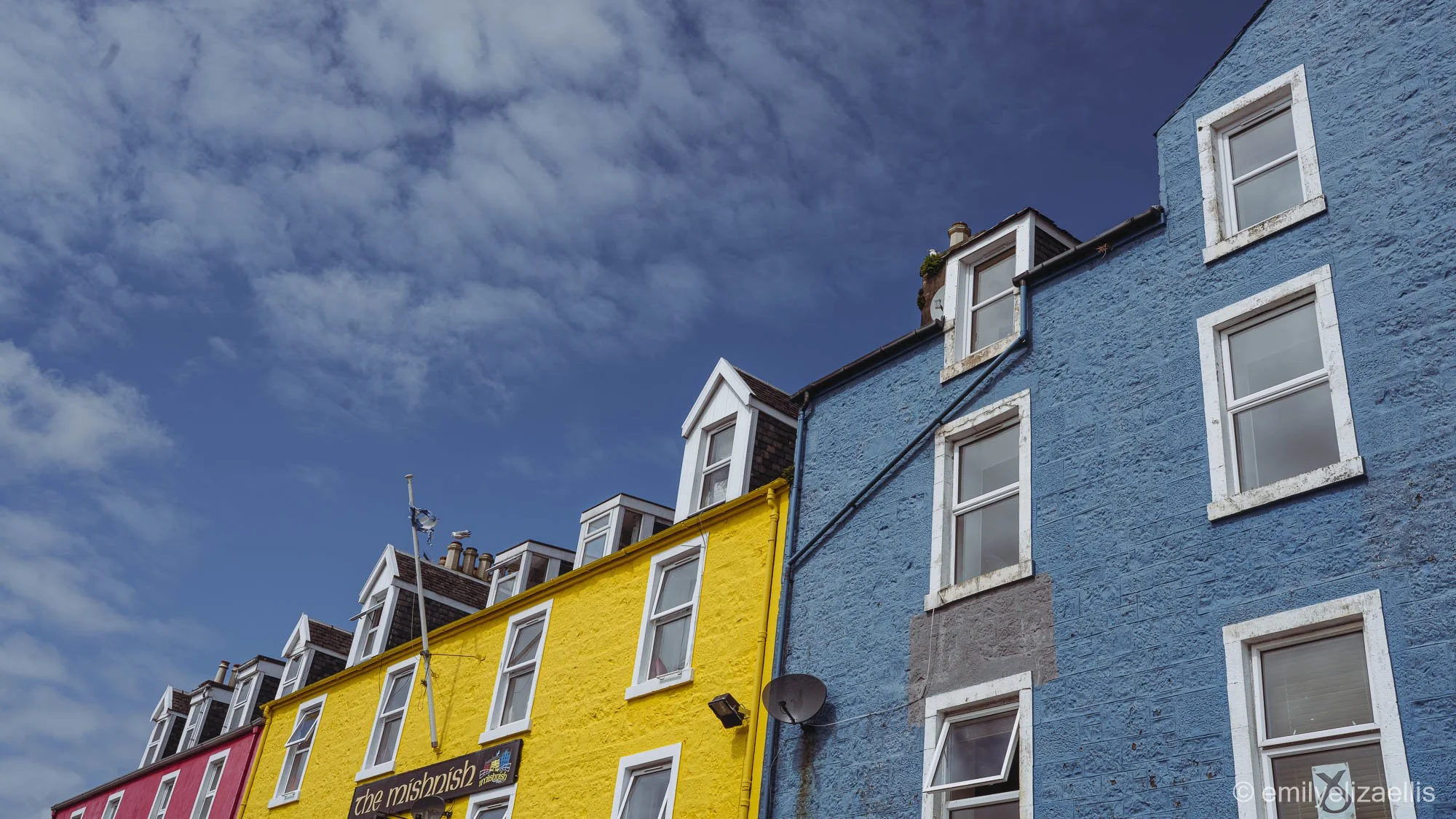
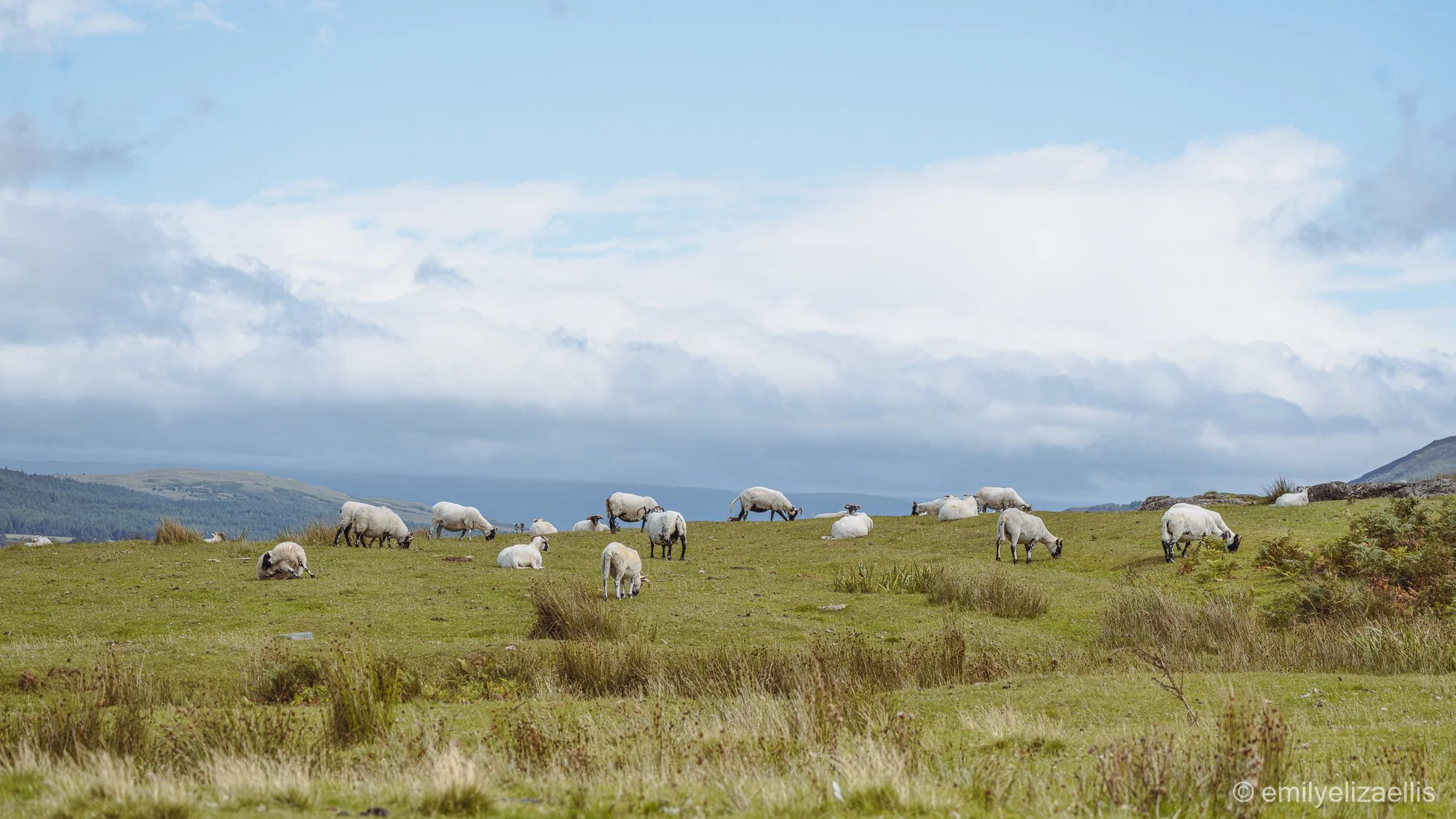
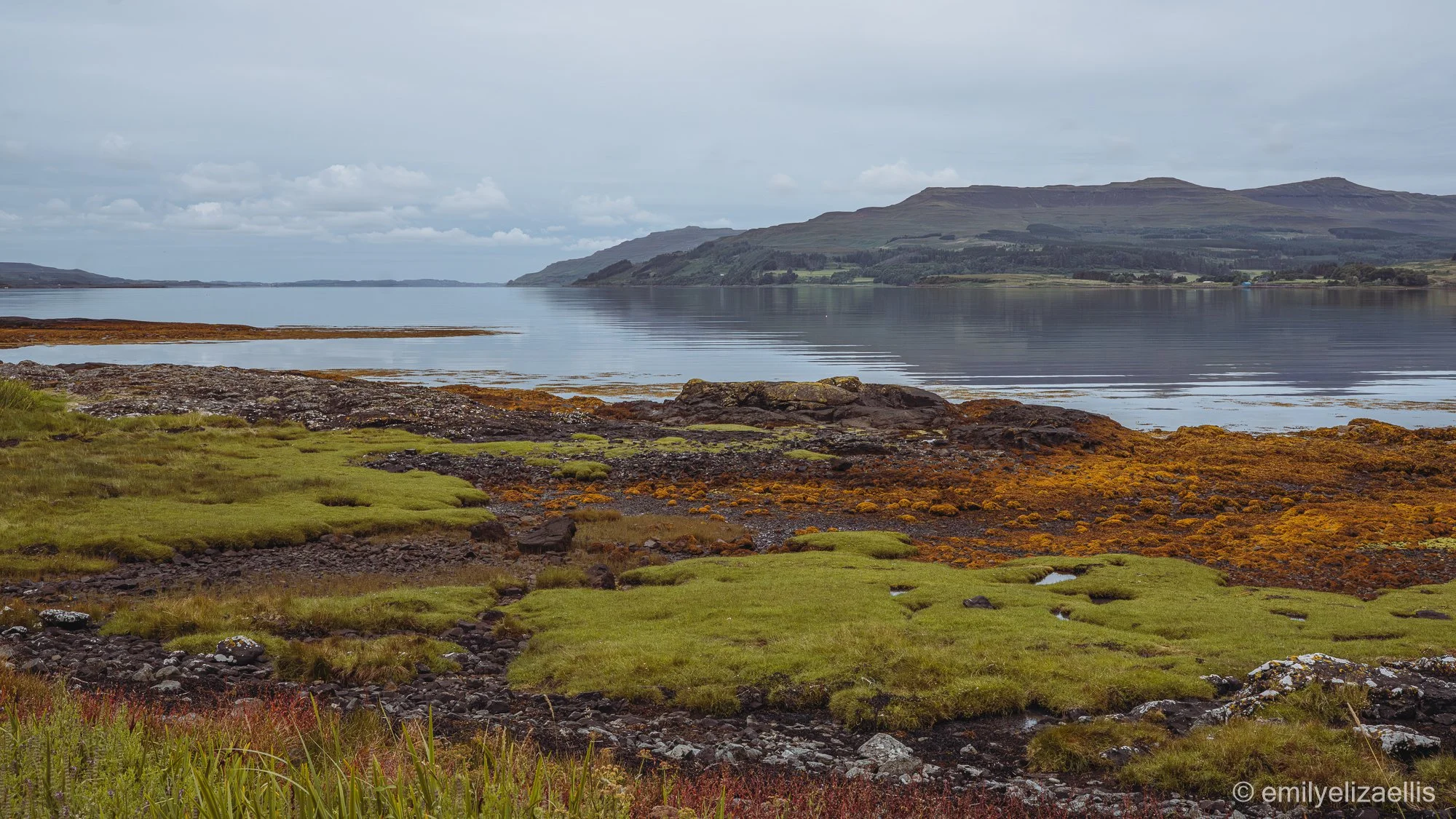
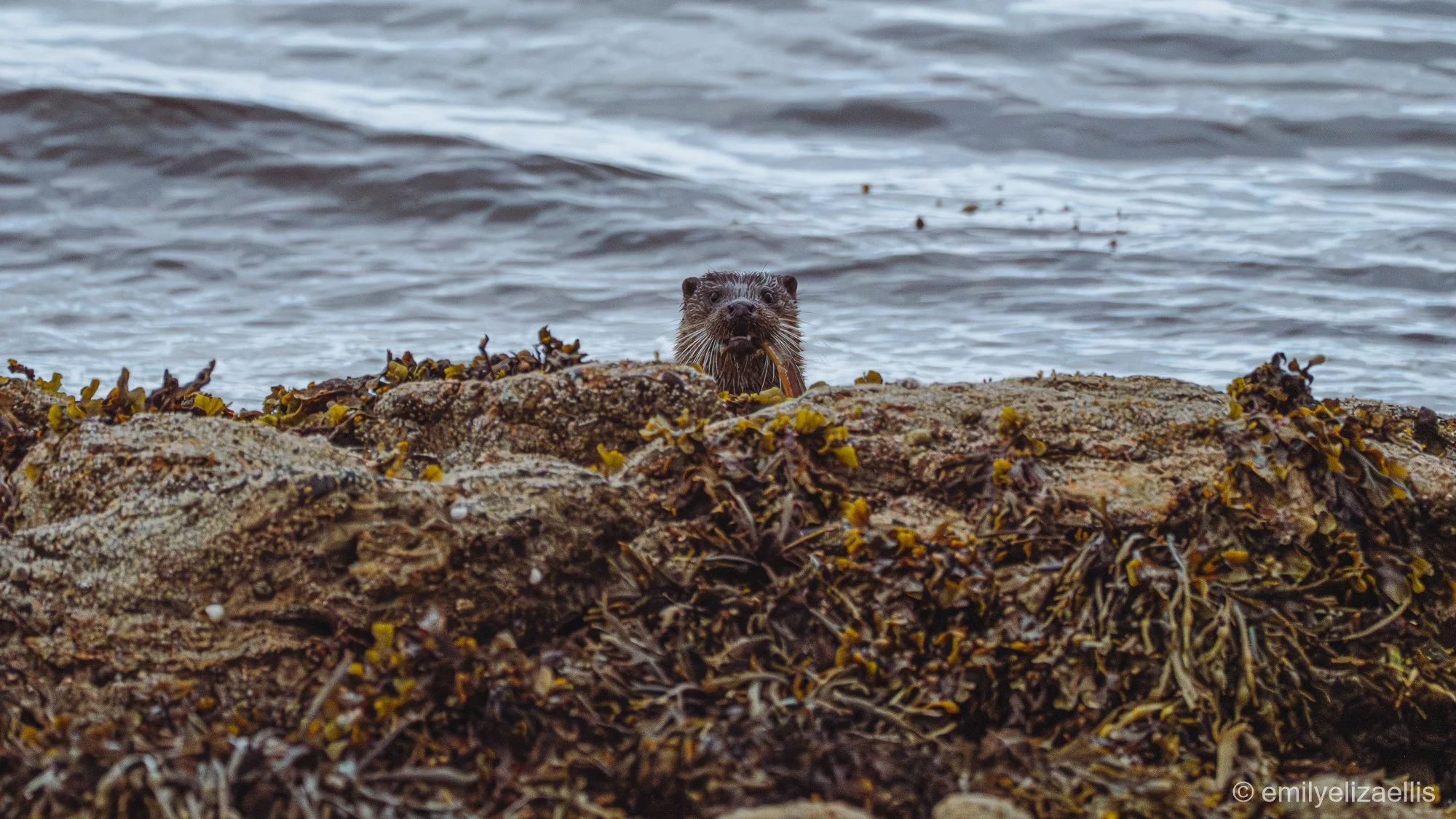
We finally travelled to the Isle of Mull after years of wanting to visit what is often described as one of the best places in the UK to see wildlife. Over several days we drove around the island, stopping to watch eagles, otters, herons, deer, seals, and highland cattle which became a dream trip for a Photographer! On a boat trip from Isle of Iona to Staffa Island we also saw basking sharks and a breaching thresher shark! We visited Tobermory and beautiful Glengorm Castle, where we saw eagles, Coos and the beautiful coastline. These photographs document the journey and the variety of wildlife, small moments and landscapes we encountered along the way.
Isle of Mull
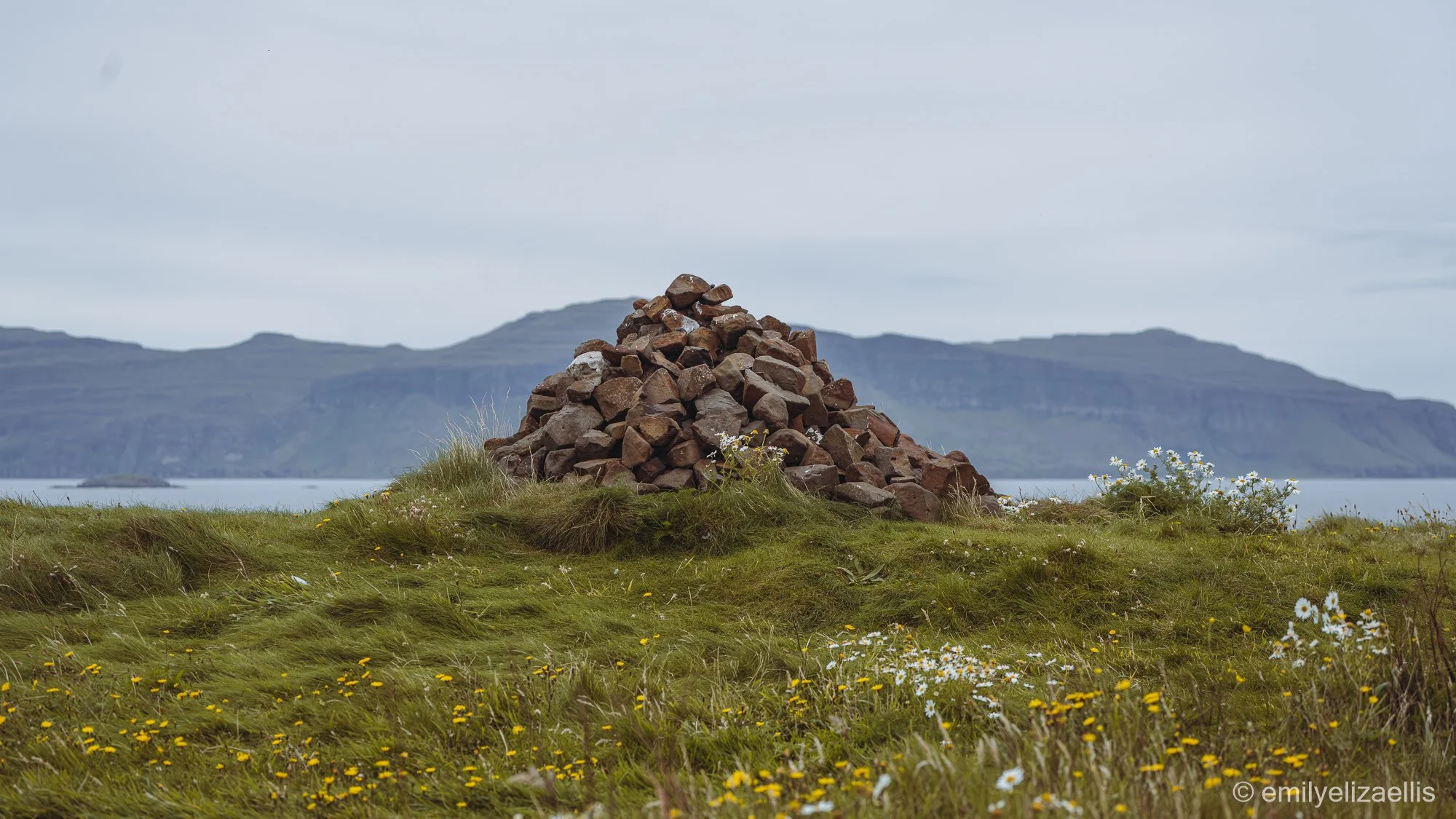
The Isle of Mull is the second-largest island in the Inner Hebrides, located off Scotland’s west coast. Known for its rugged coastline, diverse wildlife, and colourful harbour town of Tobermory, Mull offers a mix of mountains, lochs, and coastal scenery. It’s one of the best places in the UK to see eagles and otters in the wild.
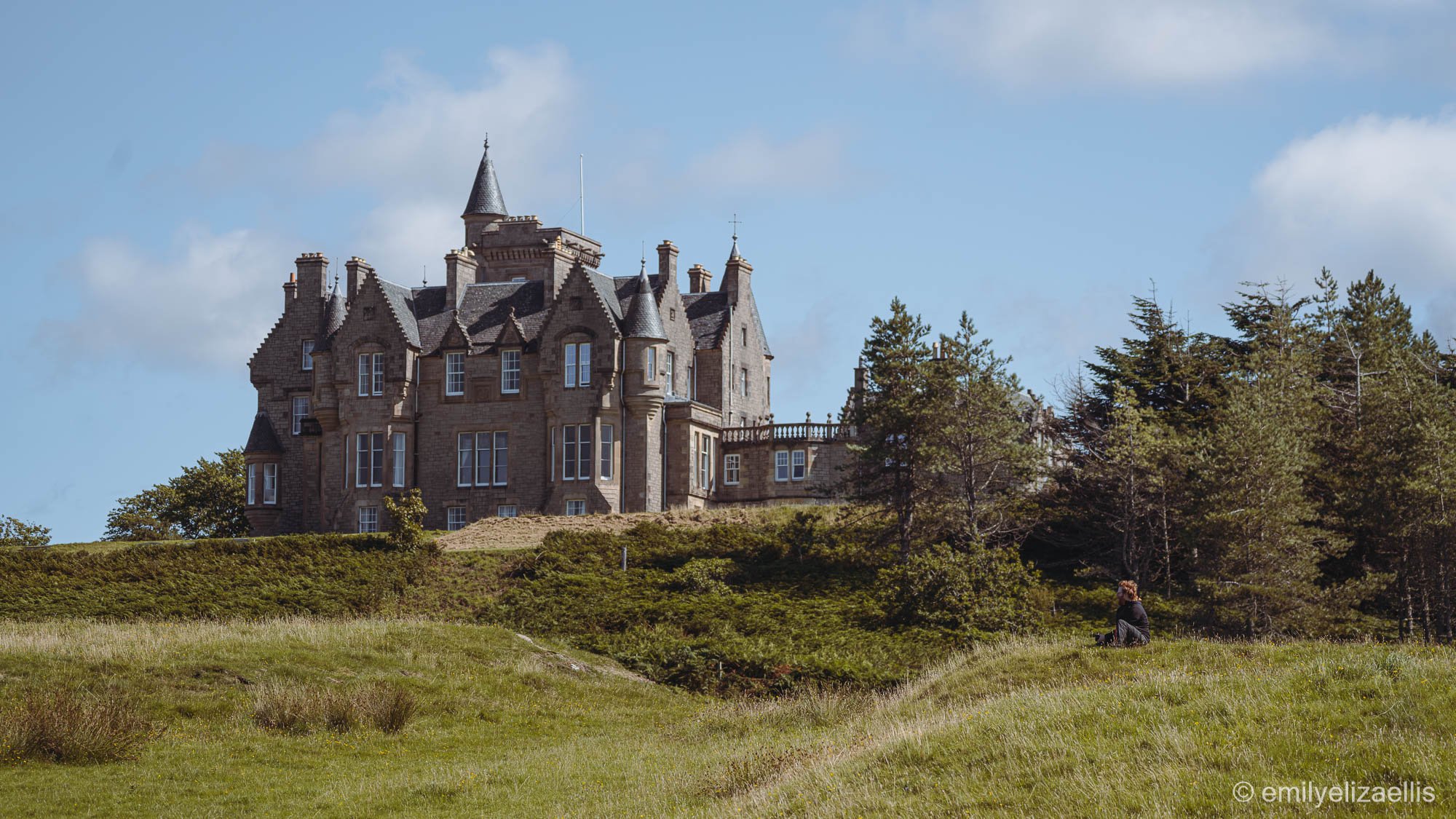
Glengorm Castle
Glengorm Castle is a 19th-century Scottish baronial-style castle located on the northwest coast of the Isle of Mull, near Tobermory. Built in 1860, it overlooks the Atlantic with spectacular views toward the islands of Coll and Tiree. It has a beautiful herd of Highland Coo and is one of the best destinations of the Isle of Mull, with beautiful gardens and wildlife. You can visit Glengorm Castle here
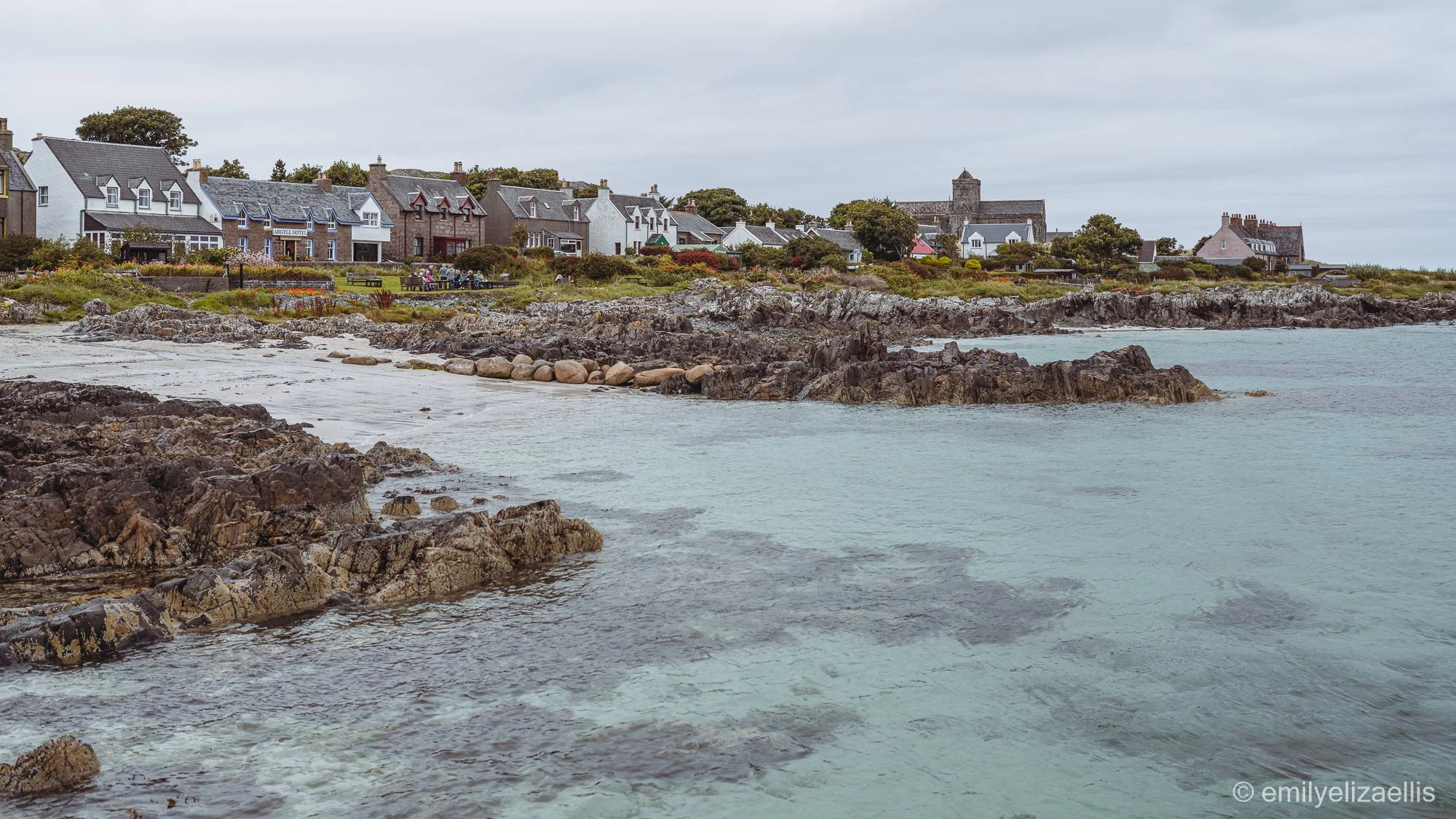
The Isle of Iona is a small island in the Inner Hebrides, just off the southwest coast of Mull. Known for its historic abbey founded in 563 AD by St Columba, Iona is often regarded as the birthplace of Christianity in Scotland. The island is about three miles long, with white sandy beaches and clear turquoise waters. You can learn more about Iona here
The Isle of Iona
Staffa Island
Staffa is a small uninhabited island in the Inner Hebrides, off the west coast of the Isle of Mull. It’s best known for its striking basalt columns and Fingal’s Cave — a sea cave formed from volcanic activity around 60 million years ago. The island is also a seasonal home to seabirds, including puffins and razorbills.